
Scene One: The Unequal Waiting Room
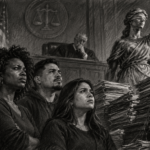
Picture two patients in two different neighborhoods. In a bright suburban clinic, Mark checks in for his annual exam. The waiting room is clean, the doctor greets him by name, and his insurance card glides through the system without a hitch. Across town, in a crowded community hospital, Jasmine waits for hours. She has been coughing for weeks, but without steady insurance, she wonders if she will even be seen today. When she finally gets called back, the doctor seems rushed, barely listening before scribbling a prescription. Same city, same need, two completely different experiences.
Health justice is about closing that gap. It is the idea that healthcare should not depend on zip code, income, or skin color. Health equity takes it a step further, saying care must be tailored so everyone gets what they actually need, not just the same thing on paper. Equality means giving every runner the same shoes. Equity means making sure the shoes actually fit. Right now, millions of people are running barefoot while others jog comfortably with cushioned sneakers, and calling it a fair race.
Healthcare is not just about treating illness. It is about dignity. It is about whether someone like Jasmine can breathe easier, literally and figuratively, without the weight of debt or neglect crushing her. When we talk about justice in healthcare, we are not debating abstract policy. We are talking about who lives longer, who dies sooner, and who suffers in silence.
Scene Two: Geography as Destiny
Where you live often determines how healthy you are, and that is a cruel truth worth sitting with. In rural America, hospitals have shuttered, leaving families to drive two hours for emergency care. A heart attack on a farm does not wait politely for you to reach the nearest city. In urban centers, clinics may be plentiful but are often underfunded and overwhelmed, forcing patients into long lines and hurried appointments where they rarely feel heard.
Globally, the divide is even sharper. In wealthy nations, prenatal care is routine. In poorer regions, mothers die in childbirth from preventable complications, and children who will never see a doctor in their lives live just a few time zones away from children whose pediatricians know them by name. Consider Flint, Michigan, where residents did not just deal with bad water. They dealt with poisoned infrastructure while nearby communities sipped clean water without worry or awareness. Flint’s story shows how environment, politics, and geography collide to shape health outcomes that no amount of individual responsibility can overcome.
If you can predict someone’s lifespan by their zip code, you are not looking at a medical issue. You are looking at an injustice that medicine alone cannot fix.

Scene Three: Race and the Diagnosis Gap
Two women enter hospitals with similar symptoms. One is white, one is Black. Statistics say the Black woman is less likely to be believed about her pain, more likely to be misdiagnosed, and more likely to face delays in treatment. These are not just numbers. They are lived realities. Serena Williams nearly died after childbirth because her warnings about blood clots were dismissed. If a world-class athlete with resources and global fame can be ignored, imagine the millions navigating those same systems without any of her advantages.
Health disparities by race run deep. Black women in the U.S. are three times more likely to die from pregnancy-related causes than white women. Indigenous communities face higher rates of diabetes, heart disease, and mental health challenges, often without adequate local care. Language barriers block immigrants from accessing treatment at all. The injustice is not in biology. It is in bias, policy, and systemic neglect that has been documented, studied, and largely left unaddressed. Equity means training doctors to recognize their blind spots, investing in diverse medical staff, and ensuring resources flow where they are most needed rather than where wealth already concentrates.
Scene Four: The Pandemic Mirror
When COVID-19 swept the world, it did not invent inequality. It exposed it with ruthless clarity. Wealthier families logged into telehealth appointments from home while lower-income families stood in outdoor lines at testing centers with limited supplies. Essential workers, disproportionately people of color, kept the world running while absorbing higher infection rates, more severe illness, and more deaths. Vaccines reached some neighborhoods months before others. The virus moved fast. The gaps it revealed had been building for decades.
The pandemic was a magnifying glass. It showed how health systems treat some people as worth protecting and others as acceptable losses. It was not just about the virus itself. It was about housing that made isolation impossible, jobs without sick leave, and hospitals already stretched far past capacity before the first wave arrived. Yet amid the devastation, resilience emerged. Mutual aid networks spread through cities and rural towns. Activists demanded that recovery address equity rather than just returning to the normal that left so many people behind. The question that lingers is whether those lessons hold once the headlines fade.
Scene Five: The Mental Health Divide
If physical healthcare is inequitable, mental health access is even more lopsided. In wealthy neighborhoods, therapy sessions and wellness apps are as common as gym memberships. In poor or rural areas, mental health resources may be almost entirely absent. Schools without counselors, towns without clinics, insurance plans that barely cover therapy, all of it leaves people struggling through enormous pain without any real support in sight.
Stigma adds another barrier on top of the access problem. Men are often told to tough it out. Communities of color may distrust mental health institutions with good reason, given histories of medical exploitation and neglect. The result is a quiet epidemic of untreated depression, anxiety, and trauma. Take Javier, a teenager dealing with panic attacks. His parents want to help but cannot afford private therapy. The nearest clinic has a three-month waitlist. By the time he is seen, his grades have dropped, his friendships have frayed, and his hope feels threadbare. Compare that to a peer with immediate access to care, and you see how unequal access to mental health support quietly reshapes an entire life trajectory. Health justice means that care for the mind is not a privilege reserved for those with good insurance and the right zip code.
Scene Six: Toward a Just System
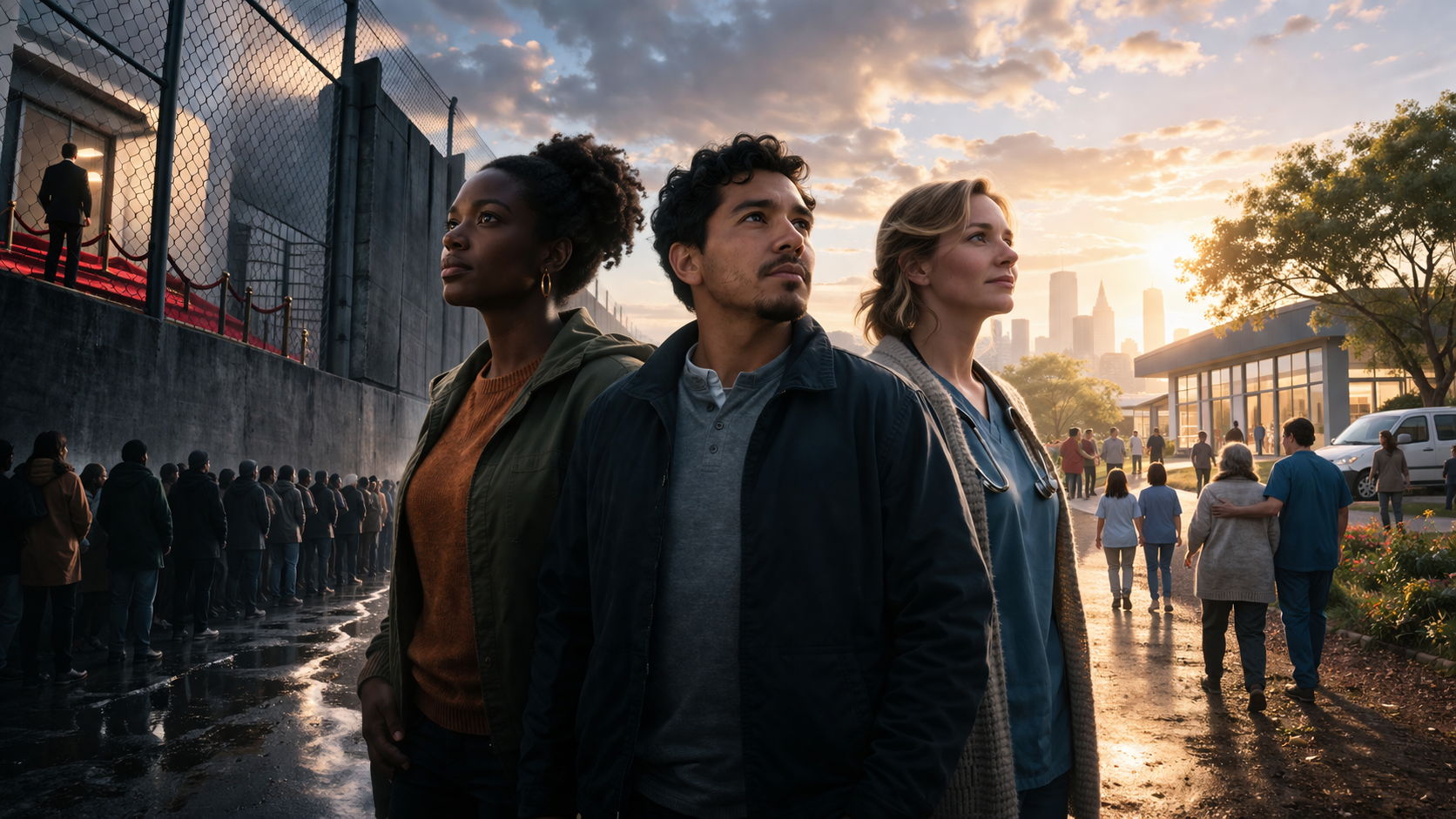
Health justice is not a utopian dream. It is a practical necessity. It means building systems where Mark and Jasmine, where Serena and Javier, all get the care they need, not just the care they can afford or the care their neighborhood provides. It means treating healthcare as a public good, like clean water or safe roads, rather than a commodity rationed by income.
Insurance reform matters, but it is only part of the puzzle. True justice requires broader thinking: universal coverage, yes, but also healthy housing, living wages, mental health access, and policies that dismantle racial and geographic barriers that are well documented and deliberately left in place. It means listening when patients say they are not being heard, and redesigning systems that treat healthcare as prevention rather than crisis response.
The question is not whether we can afford health equity. It is whether we can afford the cost of continuing without it. The answer is already written in lives cut short, communities left behind, and families crushed by bills for care they barely received. Justice in healthcare is not a political talking point. It is a decision about whose lives we are willing to protect, and the honest answer to that question should be everyone.
Ronnie Canty | The Canty Effect