

Scene One: Two Sides of the Same City
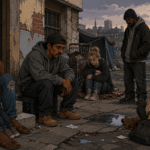
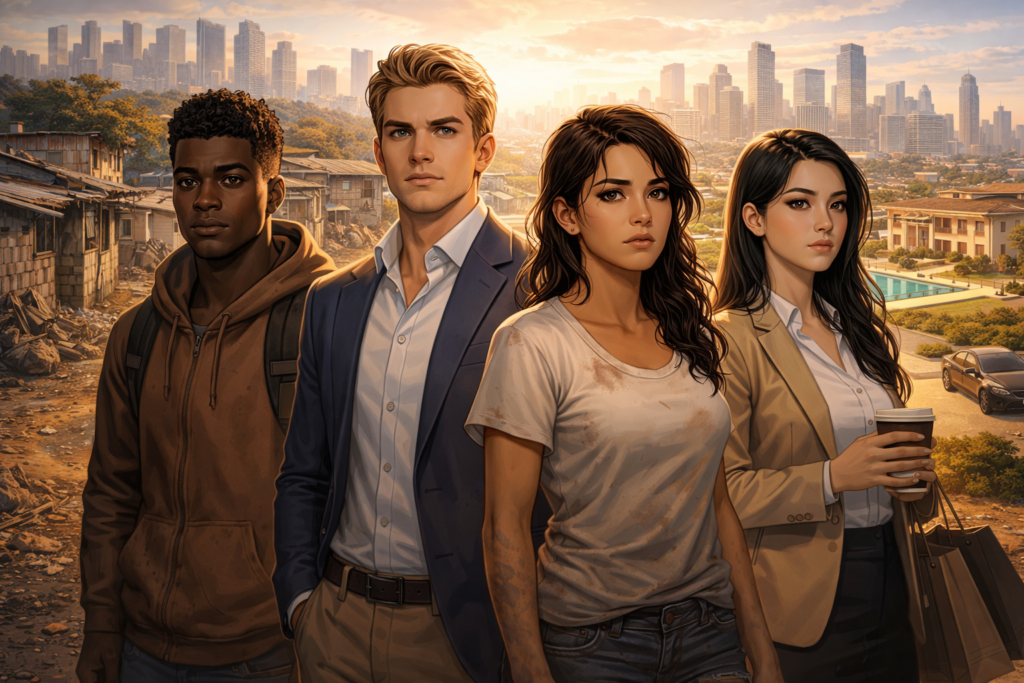
The sun rises over the city, painting rooftops gold. On the east side, kids rush to catch buses that will take them to schools stocked with smartboards, laptops, and freshly painted classrooms. Parents sip coffee before heading to offices where salaries cover vacations, college savings, and retirement plans. On the west side, just a few miles away, children step over cracked sidewalks to reach schools with outdated textbooks and peeling walls. Parents juggle two jobs, grabbing quick breakfasts on the go, hoping the rent check clears. Same city. Different worlds.
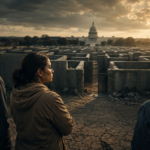
This split is not just about luck. It is the reality of economic inequality, the growing gap between rich and poor. And it is not just an American problem. It is global. The wealthiest one percent own more than the bottom half of the planet combined. The divide raises thorny questions about fairness, opportunity, and mobility. Can hard work really move someone up the ladder when the rungs are missing? Why do some people get parachutes while others face free falls?
Economic inequality is not an abstract chart in a textbook. It is the story of daily life, of comfort versus crisis, of futures wide open or tightly shut. As the gap widens, it shapes politics, culture, and even the health of democracies. This series will explore that divide in real terms, not with cold numbers but with lived stories, asking what kind of society we want to build and for whom we are building it.
Scene Two: What Inequality Really Means
When people hear “inequality,” they often imagine skyscraper penthouses versus cramped apartments. That picture is not wrong, but inequality runs subtler than that. It is in the child who skips a doctor’s visit because the family cannot afford insurance. It is in the graduate crushed by student debt while wealthier classmates step into unpaid internships with parental safety nets. It is in the worker choosing between fixing a broken car or paying the electric bill, knowing that both cannot happen this month.
Wealth does not just buy comfort. It buys resilience. A wealthy family can absorb shocks: a medical bill, a job loss, a natural disaster. For families with little savings, the same shock can be devastating. The car repair that is a minor inconvenience for one family is a full-blown crisis for another. That is the hidden edge of inequality. It magnifies risk for the poor and softens it for the rich, quietly compounding over a lifetime.
Inequality also affects mobility, the idea that each generation should be able to climb higher than the last. In reality, mobility is slowing. Children born into wealth tend to stay wealthy, while those born into poverty often remain stuck. The promise of moving up through effort alone, what many still call the “American dream,” is fading. And with it, so is trust in the basic fairness of the system.
Scene Three: The Pandemic Magnifier
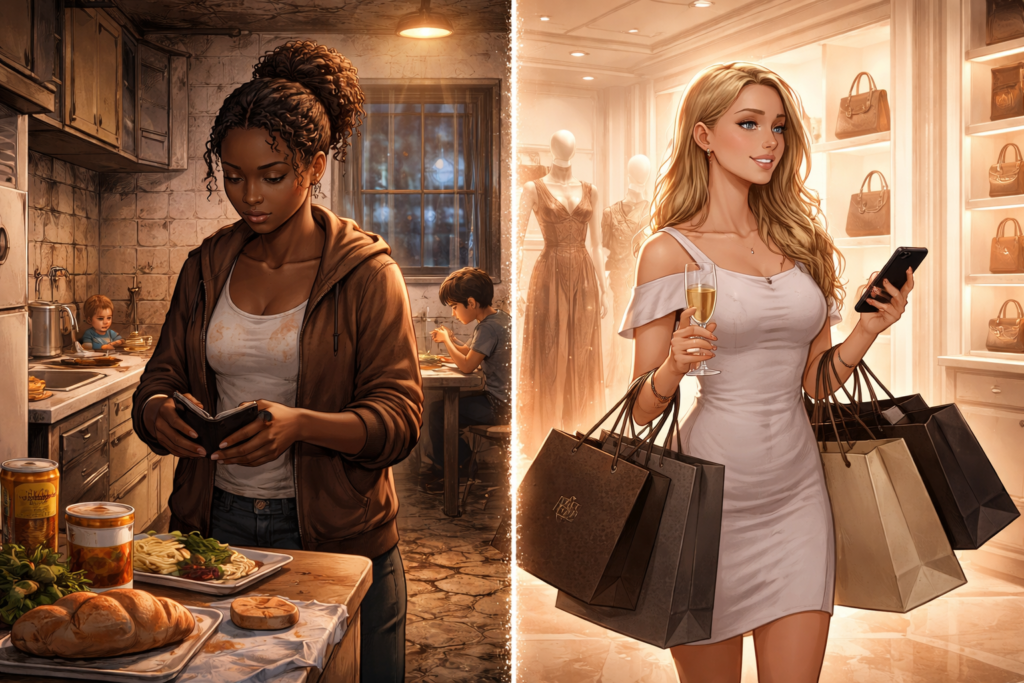
When COVID-19 shut down the world, it did not hit everyone equally. Some people worked from laptops in spare bedrooms while others, labeled “essential,” risked their lives in grocery stores, warehouses, and hospitals. Wealthier families ordered groceries delivered to their doors while poorer ones stood in food bank lines stretching for blocks. The same crisis looked completely different depending on which side of the divide you lived on.
The pandemic acted like a magnifying glass, exposing cracks that were already there. Low-income communities faced higher infection rates, less access to healthcare, and more job losses than their wealthier counterparts. Meanwhile, billionaire wealth soared as stock markets rebounded far faster than wages. Workers at the most essential jobs staged strikes for basic protective gear while executives collected record bonuses. The contrast was impossible to ignore.
This moment forced uncomfortable questions. Why are the people most essential to society often paid the least? Why do crises widen the divide instead of shrinking it? What does it say about our values when safety nets are so thin that millions of people fell through them within weeks of shutdowns? The pandemic did not create inequality. It revealed it, in brutal detail, and reminded everyone paying attention that the divide between rich and poor is not just unfair. It can be deadly.
Scene Four: The Price of Inequality
Economic inequality is not just about unfairness. It carries real costs for everyone, including people who believe the divide does not touch them. Societies with wide wealth gaps consistently show higher crime rates, lower trust in institutions, and weaker democracies. When people feel the system is rigged, cynicism takes root. That cynicism can curdle into anger, division, and social fractures that affect public life for everyone.
There is also a straight economic cost. When so much wealth concentrates at the top, the rest of society has less to spend. That means less money flowing into local businesses, less demand for innovation, and slower growth across the board. Economists across the political spectrum have argued that inequality does not just hurt the poor. It stifles potential everywhere. A society that cannot tap the full talent and energy of its people is leaving enormous value on the table.
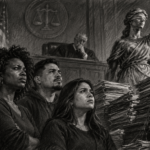
But the greatest cost is human. Inequality strips dignity. It makes parents choose between medicine and food. It forces students to abandon dreams because tuition is simply out of reach. It renders essential workers invisible while rewarding executives who never set foot on the shop floor. The wealth gap is measured not only in dollars but in lost opportunities, narrowed futures, and lives dimmed before they had a real chance to shine.
Scene Five: Seeds of Solutions
Even as the gap grows, conversations about solutions are louder than ever. Movements for higher minimum wages, stronger labor rights, and fairer tax systems are gaining real ground. Ideas like basic income, once dismissed as utopian, are being tested in cities and countries around the world. These experiments are raising genuine possibilities: what happens when survival is not in constant question? What if people had enough stability to take risks, pursue education, or start businesses without the fear that one bad month destroys everything?
Stories from places like Stockton, California, where residents received guaranteed income, produced surprising results. People did not quit their jobs en masse. They paid bills, reduced stress, and found better work. Inequality thrives on instability. When that instability eases even slightly, resilience tends to grow in its place.
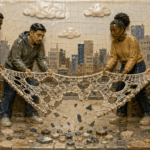
The seeds of solutions do not erase the enormity of the problem. But they remind us that the gap is not inevitable. It was built by policies and choices, which means it can be narrowed by new ones. The question is whether there is enough political will, and enough collective courage, to actually do the work.
Scene Six: Why This Series Matters
Economic inequality is easy to ignore if you happen to be insulated from its worst effects. But it shapes the world that everyone lives in. A society with a gaping wealth divide is less safe, less healthy, and less hopeful for anyone who needs it to function fairly. It is a world where opportunity becomes a privilege rather than a starting point, and where fairness becomes a story people tell themselves instead of a reality they can count on.
The rest of this series will go deeper, exploring minimum wage struggles, the decline of unions, the rise of gig work, tax justice, and the bold ideas being tested to close the divide. Each part will tell stories of people living on both sides, some surviving, some thriving, many just fighting for dignity. The goal is not to stack up statistics. It is to put faces where numbers usually stand, and to spark honest thought about the world we are building together. Because the wealth gap is not just an economic problem. It is a values problem. And if fairness, opportunity, and dignity matter, narrowing the divide is not optional.Canty
Ronnie Canty | The Canty Effect