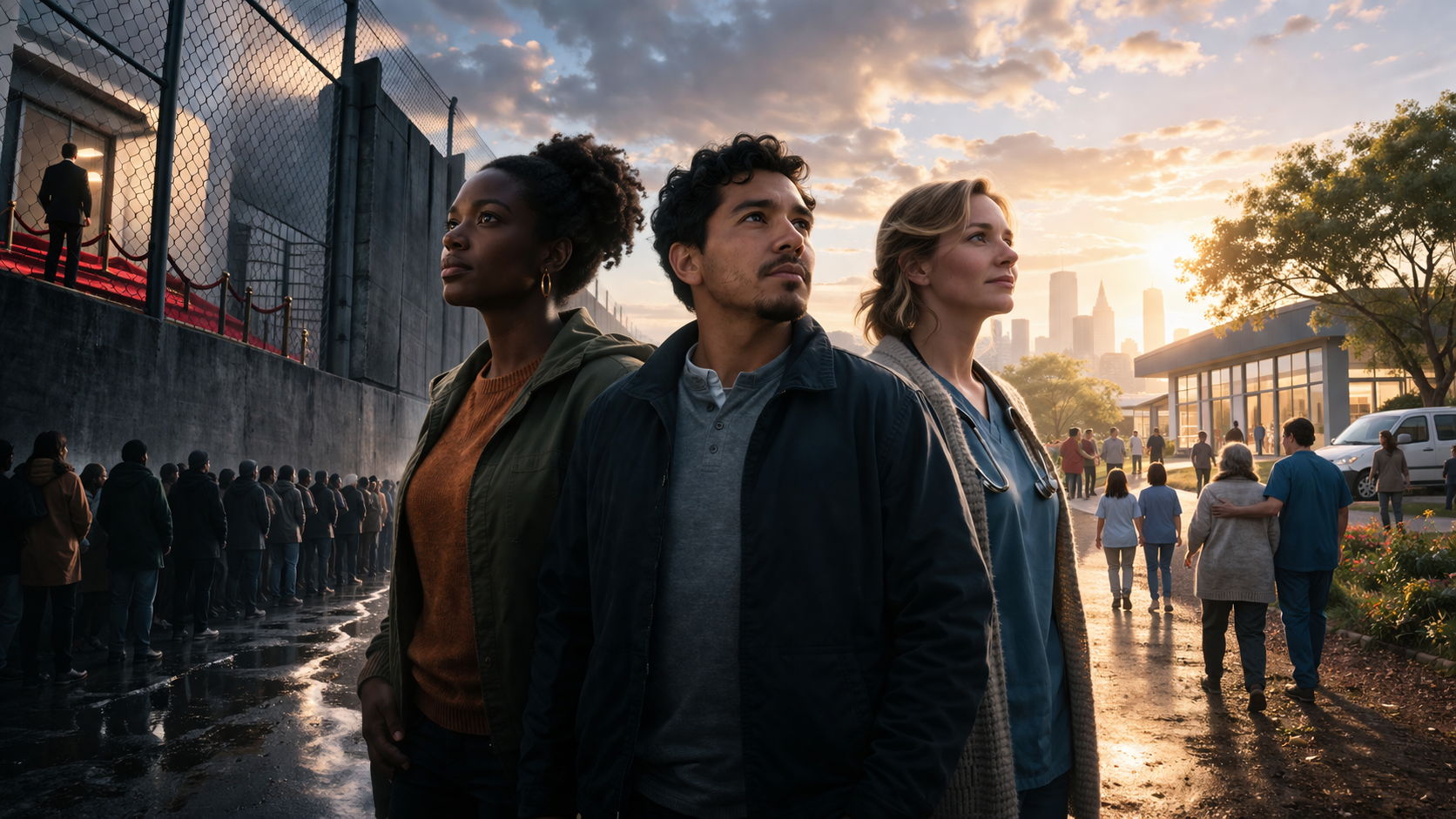
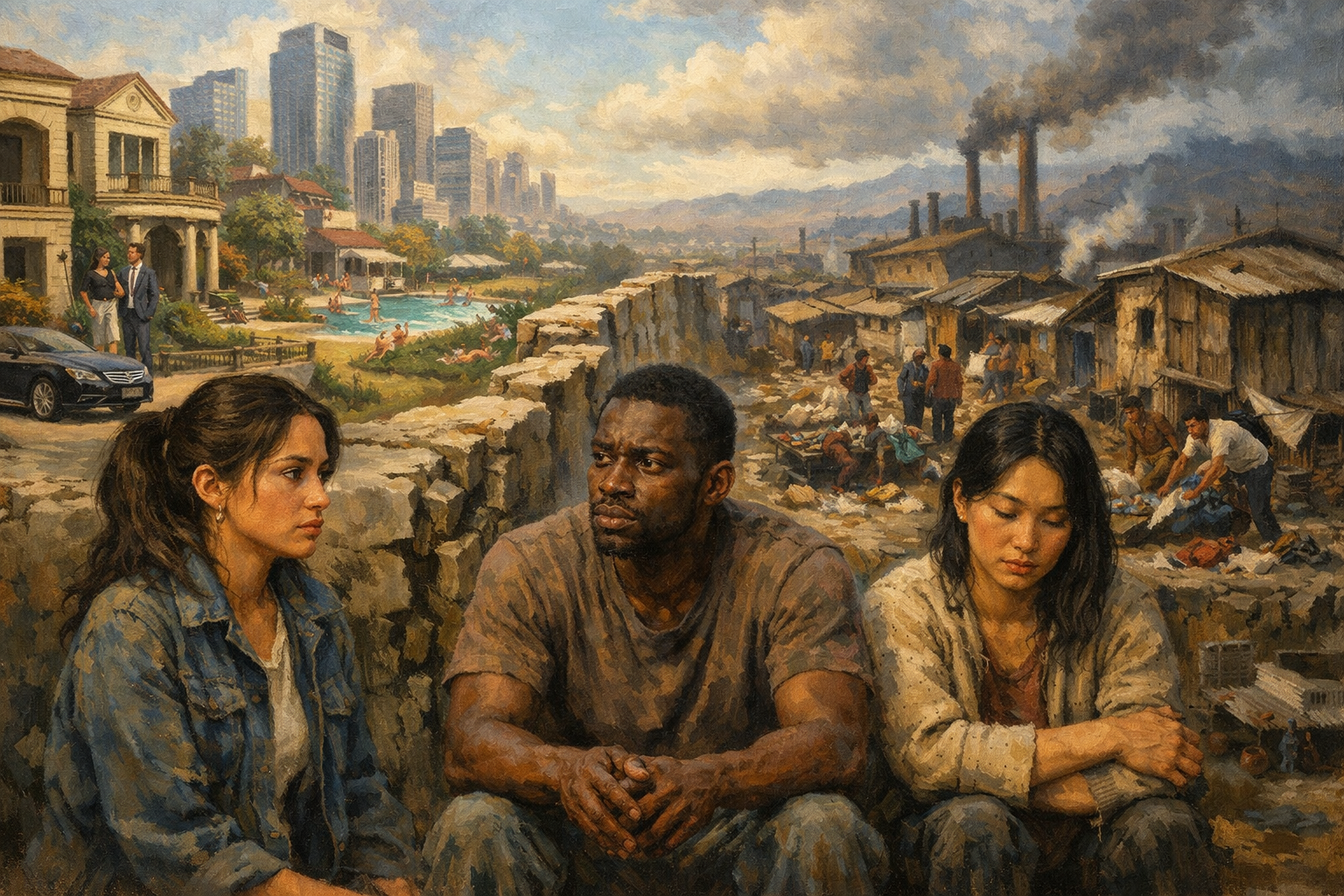
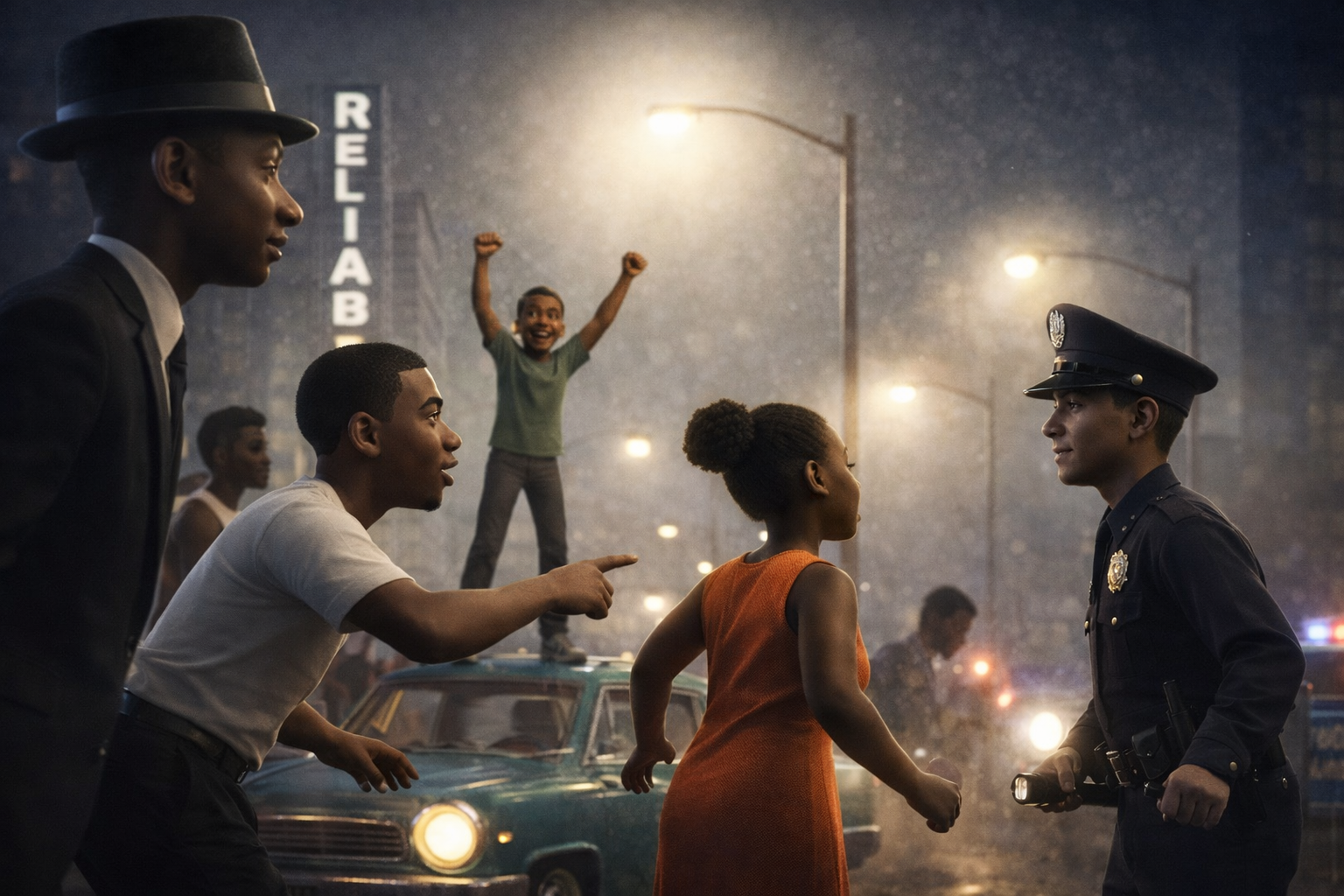
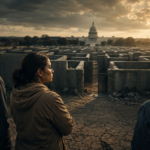
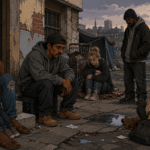
This is Part 2 of the Justice in Focus series. If you missed Part 1, start there first. Social justice is one of those phrases that gets tossed around so often it risks losing its bite. It shows up in mission statements, school essays, and campaign slogans. But the heart of it is much heavier. Picture a table where everyone is supposed to have a seat. For some, the chairs are cushioned, the food is warm, and the plates are full. For others, the chair is missing a leg, the food is cold, or worse, there is no chair at all. Social justice is the insistence that the table itself must be fixed, not just the meals on it.
The term stretches across movements, labor, gender, racial, environmental, and each carries its own battles. But the heartbeat is the same: dignity. It is not charity. It is not asking for favors. It is the belief that fairness is not optional in a society that calls itself civilized. Without it, communities splinter. With it, they have a fighting chance to flourish.
The challenge, of course, is that fairness threatens comfort. Social justice asks those with power to share it, to rethink what they call “normal,” and to question whether systems that seem natural are actually fair. Questioning normal feels like shaking the ground beneath your feet. That’s why social justice always comes wrapped in controversy. It demands not just sympathy but real, uncomfortable change.
Scene Two: A Story of Labor and Lives
Imagine a factory in the 1920s. Workers, many of them immigrants, crowd into poorly lit rooms, their lungs filling with dust, their backs bent over machines all day. When one is injured, he’s told to rest and come back when able, no pay, no safety net, no recourse. That moment birthed the labor justice movement, which fought for eight-hour days, safer conditions, and the radical idea that workers are human beings, not disposable cogs in someone else’s machine.
Fast forward to today, and echoes of that fight remain. Farmworkers in California still battle for water breaks in sweltering fields. Gig workers driving rideshares are still denied benefits that traditional employees take for granted. When we talk about social justice, these are the threads we mean. The labor struggle showed how dignity had to be pried from clenched fists, one hard fight at a time. Without that fight, weekends and overtime pay wouldn’t exist.
The lesson is clear: social justice never arrives as a gift. It arrives because people risk everything, jobs, safety, reputations, to demand it. Those who benefit later often forget the fight that brought it. That forgetfulness is dangerous, because rights unguarded are rights easily eroded. History has proven that more than once.
Scene Three: Race at the Center
Every form of justice is tied, in some way, to race. During the civil rights era, Martin Luther King Jr. spoke not only about voting rights but also about fair wages, housing, and education. He understood what many still deny: race is not a side issue but a central thread running through nearly every inequality this country has ever produced. Pulling one thread tugs the whole fabric.
Consider schools. Even decades after desegregation, students in majority Black districts are more likely to attend underfunded schools with outdated textbooks and overworked teachers. The injustice is not just in test scores. It’s in the futures narrowed before they even begin. A child denied resources grows into an adult fighting uphill battles at every stage, without the safety nets that wealthier peers inherited without earning.
Consider healthcare too. Black mothers are still three times more likely to die during childbirth than white mothers. These are not numbers from the 1960s. They are numbers from last year. They prove that systemic racism is not a relic but a living structure still shaping who thrives and who suffers. Social justice demands that we stop treating these as “unfortunate disparities” and start naming them for what they are: failures of fairness, failures of humanity, and failures we keep choosing not to fix.
Scene Four: Gender, Identity, and the Struggle to Belong
When women demanded the right to vote, they were not asking for a favor. They were demanding recognition as full participants in democracy. When LGBTQ activists at Stonewall pushed back against police raids, they were not begging for tolerance. They were asserting humanity in a system that treated them as expendable. These fights remind us that social justice is, at its core, about belonging.
Take the wage gap. A woman doing the same job as a man is still paid less, and when that woman is Black or Latina, the gap widens further. This is not coincidence. It is the overlap of gender and race, each stacking the weight of inequity higher. Consider transgender youth, facing school policies that debate their very right to exist. Justice here is not theoretical. It is about safety in bathrooms, fairness in classrooms, and the basic dignity of being allowed to show up as yourself.
Belonging may sound soft compared to policy or legislation, but it is survival. To belong is to walk into a room without shrinking. To know your name, your skin, your identity, and your love are not targets but truths. Social justice insists on this without apology: no one should have to beg to exist.
Scene Five: The Global Web of Justice
It is tempting to view social justice as an American conversation, but that lens is too narrow. Across the globe, the fight looks different but echoes the same themes. In South Africa, the struggle against apartheid was not just political. It was about whether dignity could survive state violence. In India, Dalit communities still push against caste-based discrimination woven into centuries of culture and law. In Brazil, police violence against Black youth mirrors scenes that feel hauntingly familiar.
When young people in London marched with #BlackLivesMatter signs, they were not just showing solidarity. They were connecting their own struggles with a global chorus that refuses to be quieted. Justice does not respect borders, because injustice rarely does. Pollution from factories drifts across continents. Economic policies written in one capital affect laborers halfway around the world. Refugees fleeing war test the fairness of nations far from their birthplace.
Social justice is global by necessity. To isolate it as a local concern is to ignore how power actually operates. The heart of social justice beats strongest when it sees the whole human family, not just the neighbor next door.
Scene Six: Why the Heart Still Matters
Critics argue that social justice is vague, that it tries to be everything at once. But vagueness is not its flaw. Refusing to reduce dignity to a single issue captures something true about how humans actually live: in complex, intersecting, overlapping lives. The heart of social justice is not policy, though policy matters. It is not statistics, though numbers reveal patterns. The heart is the belief that fairness is not negotiable, and that no one’s humanity should depend on the mood of those in power.
When communities rally under its banner, they are not simply shouting at the wind. They are carving space for a different kind of world. A world where a child’s zip code does not decide their future. Where work is honored with dignity rather than exploited for profit. Where safety is measured not by the number of patrol cars but by whether people have what they need to actually thrive.
Social justice is not easy, and it has never been. It demands sacrifice from those who benefit and resilience from those who don’t. But if the table of society is ever to hold all of us without collapsing, its heart must keep beating in every movement, every protest, and every quiet dream of something better. That is why it matters still. That is why it always will.e. Stay curious. Choose not to look away.