
The Uncomfortable Truth Nobody Put in the Terms of Service
Think about the last time a friend really surprised you with a gift. They knew exactly what you wanted because they paid attention. They remembered a passing comment you made six months ago about something you liked. That kind of knowing takes years of actual relationship. It takes showing up, listening, and caring enough to file it away. Now think about the last time an app recommended something and you thought, how did it know that? The difference is that your friend put in the work. The algorithm just watched.
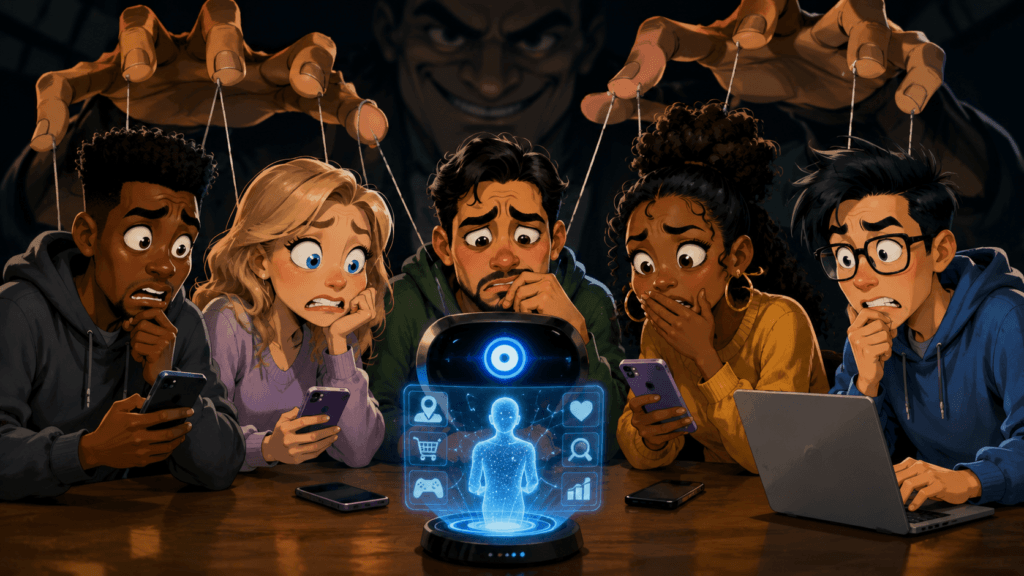
Your phone has been watching for a long time. Every scroll that stops for more than a second, every purchase you almost made but didn’t, every time you typed something in a search bar and then deleted it before hitting enter, all of it goes somewhere. It gets sorted, weighted, and fed into a system built specifically to predict what you will do next. Not what you said you wanted. What you actually do when nobody’s looking. And the unsettling part is not that the algorithm is right. It is how often it is right about things you never told it.
What the Algorithm Is Actually Measuring
Most people think of recommendation systems as fancy search engines. You watch a cooking video, you get more cooking videos. Simple enough. But what is happening underneath is a lot more precise than that. These systems are not tracking what you like. They are tracking what holds your attention, what makes you emotional, what you come back to, and what keeps you from leaving. Those are not the same things. You might say you love feel-good news. The algorithm notices you spend three times as long on stories that make you angry. It is going to give you more of what you actually consume, not what you claim to prefer.
This is where it gets personal. The algorithm is not building a profile of you based on your best intentions or your public persona. It is building a profile based on your private behavior. The late-night searches. The videos you watched twice. The posts you lingered on even though you would never share them. Over time, what emerges is a picture of you that is more accurate in some ways than the one you carry around in your own head. That is not a metaphor. It is how these systems are designed to work.
It Knows Things You Have Not Said Out Loud
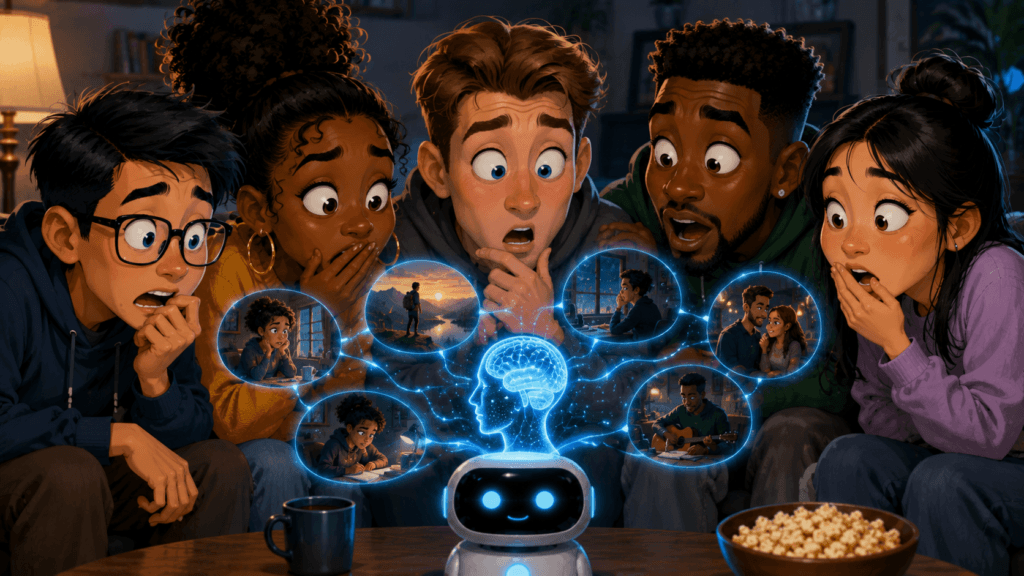
Researchers have demonstrated that social media platforms can predict personality traits, mental health struggles, political leanings, and major life changes before the people experiencing them have told anyone. Facebook data has been used to detect signs of depression. Spotify’s listening patterns correlate with emotional states in ways the company has studied and mapped. Retail algorithms can infer pregnancy from purchasing changes before a customer announces it. This is not speculation from a tech-skeptic think piece. These are documented capabilities that companies built because knowing you more precisely makes them more money.
The question worth sitting with is this: what does it mean for someone to know you better than your friends do, and to have no interest in your wellbeing? Your friends know you and want good things for you. The algorithm knows you and wants your attention. Those two things sound similar until you remember that the algorithm’s entire purpose is to keep you engaged long enough to serve you more content and more ads. It does not care if what it shows you makes you anxious, or angry, or lonely, or stuck. It cares that you kept scrolling.
Who Built This and Why
None of this happened by accident. Algorithmic systems were designed by engineers and optimized by product teams who measured success in engagement metrics. More time on platform equals more ad revenue equals more shareholder value. The goal was never to make you feel better or more informed. The goal was to make you stay. And when researchers inside these companies raised concerns about the emotional and social costs of building systems designed to exploit psychological vulnerabilities, the business case won. We know this because enough internal documents have come out in enough investigations to make it undeniable.
The people who built these systems understood what they were doing. Former engineers from major social platforms have gone on record explaining how attention engineering works, how notification timing is calibrated to maximize return visits, and how content ranking decisions were made with full knowledge of what they amplified. This is not a conspiracy. It is a business model. The conspiracy would be pretending the outcomes were unintentional.
What You Can Actually Do With This Information
Knowing the algorithm exists and knowing how to live inside it are two different problems. You are probably not going to delete every app and go fully analog. That is not a realistic ask for most people, and it should not have to be. But you can start being intentional about the relationship. The first move is to stop treating your feed as a neutral reflection of reality. It is not. It is a curated experience built to match your psychological profile and keep you emotionally activated. What you are seeing is not what is happening in the world. It is what the system has decided you will respond to.
The second move is to put some friction between yourself and the scroll. Not because technology is evil, but because frictionless access to infinite content is a design feature built for their benefit, not yours. Turning off autoplay, setting screen time limits, or simply asking yourself who benefits from you spending another hour here are not radical acts. They are just using your own awareness as a counterweight to a system designed to outpace it. The algorithm has a head start. You have something it does not. You can decide to stop.

The Bigger Picture
There is a version of this conversation that ends with individual tips and a tidy bow. But the real issue is not just about personal habits. It is about what kind of information environment we are all living inside and who controls it. When algorithms shape what billions of people see, feel, and believe on a daily basis, and when those algorithms are optimized for engagement rather than accuracy, empathy, or truth, the consequences are not just personal. They are social. Political. Structural. The rise in polarization, the collapse of shared reality, and the speed at which misinformation spreads are not separate problems from how recommendation systems work. They are downstream from it.
Your friend knows you because they chose to. The algorithm knows you because it was paid to. One of those relationships is built on care. The other is built on profit. That distinction matters more than most people realize, and the sooner we start treating it seriously, the better equipped we will be to navigate a world where the line between them keeps getting harder to see.
Ronnie Canty | The Canty Effect