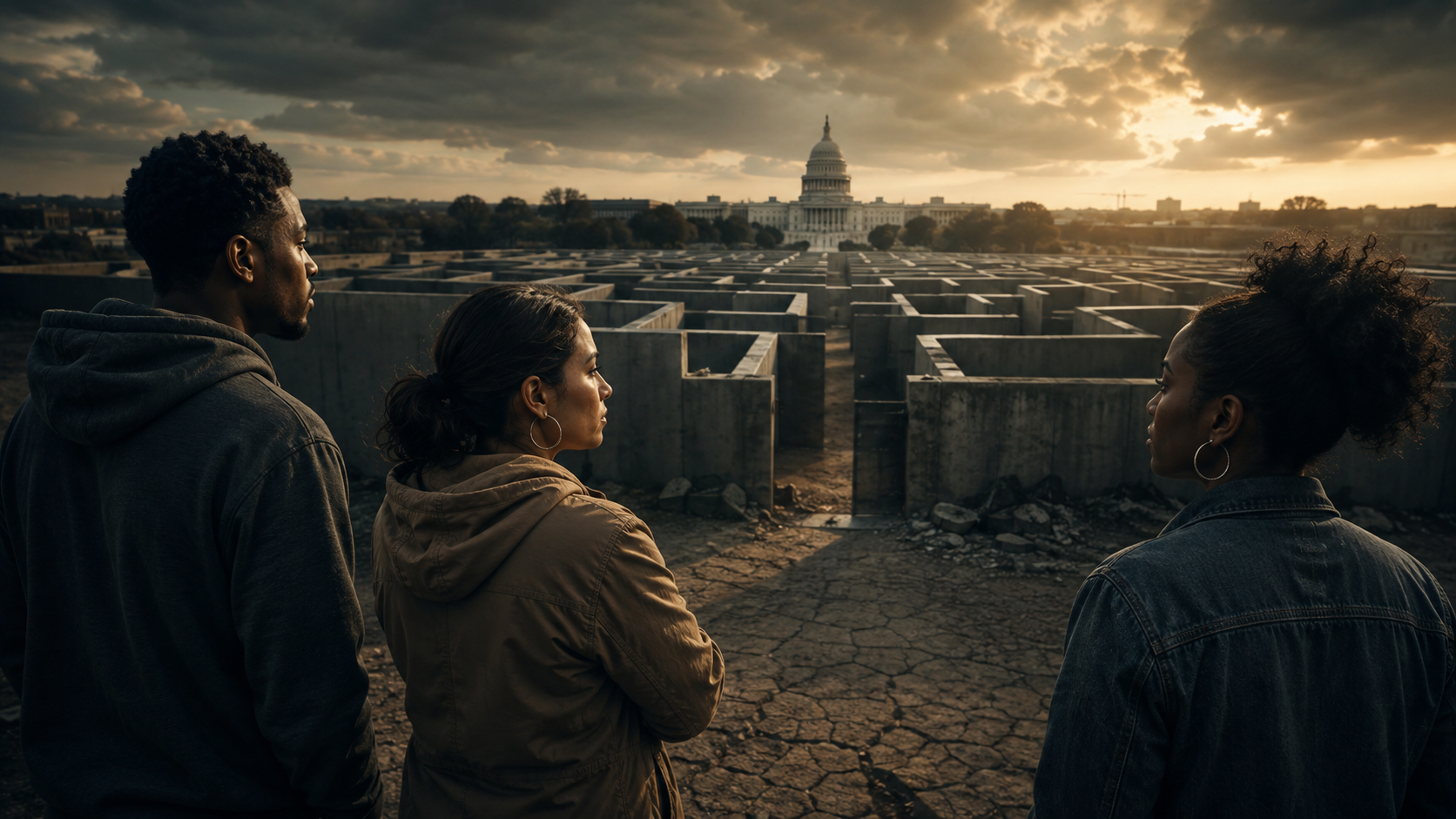
Every election cycle, the message is the same. Show up. Cast your ballot. Do your civic duty. Then go home and wait for the results to change your life. That message is not wrong, exactly. It is just incomplete in a way that keeps a lot of people stuck.
Voting matters. Anyone who tells you otherwise is either selling you something or hasn’t been paying attention to what happens when people stop showing up entirely. But somewhere along the way, voting got sold as the finish line instead of the starting point. It became the one civic act people are told will discharge their full responsibility to the world around them. Check the box, feel the relief, move on with your life until the next cycle rolls around.
That framing serves somebody. It just isn’t the person carrying real weight and trying to build something better underneath all of it.

The Four-Year Trap
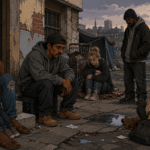
Here’s the problem with treating voting as the whole job. Elections happen every two or four years depending on the seat. The conditions people are actually living in, rent that keeps climbing, a school system that isn’t working, a police department nobody trusts, a job market that punishes anyone without connections, those conditions don’t wait for a calendar. They show up every single day, whether or not there’s an election on the horizon.
If your only tool for changing your circumstances is a ballot you get to use once every couple of years, you’ve built yourself a system with almost no responsiveness. You wait, you vote, you wait some more, and somewhere in there you start to wonder if any of it actually moved the needle. That gap between casting a vote and seeing your daily life change is where a lot of people quietly give up. Not because they stopped caring. Because they were handed one tool and told it was the whole toolbox.
I’ve lived inside systems that were never built with me in mind. I’ve also learned the difference between the systems that respond to a vote and the systems that only respond to sustained pressure. Voting opens a door sometimes. It rarely walks through it for you.
What Actually Moves the Needle Between Elections
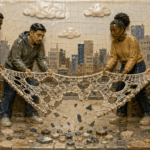
Real change, the kind that shows up in your neighborhood and not just in a headline, usually comes from people organizing, showing up to city council meetings, building mutual aid networks, and applying pressure that doesn’t stop just because the news cycle moved on. Organizing is different from activism in one specific way. Activism can be a single loud moment. Organizing is the slow, unglamorous work of building relationships and structures that outlast any one issue or election.
Look at how tenant protections actually get won in a lot of cities. It rarely starts with a ballot measure. It starts with a handful of renters comparing notes about the same landlord, then knocking on doors in the same building to find out who else is dealing with it. That handful becomes a tenant association. The association starts showing up to city council meetings, the same meeting, month after month, long after most of the original group wanted to quit. Somewhere around the eighth or ninth appearance, a council member who kept dodging the issue finally puts it on the agenda, not because a ballot forced their hand, but because the sustained presence became more uncomfortable to ignore than to address. That is the mechanic. Repetition, relationship, and enough consistent pressure that avoidance stops being the easier option.
That is the part voting alone can’t do. A ballot doesn’t sit in a city council meeting eight months in a row. A ballot doesn’t organize a rent strike. A ballot doesn’t build the mutual aid network that gets your neighbor through a crisis while the slower wheels of policy grind forward. People do that. And they do it in the space between elections, which is most of the calendar.

The Honest Pushback
Here’s the question worth asking directly, because pretending it isn’t there weakens the whole argument. If organizing is what actually moves things, why vote for the people writing the policies in the first place? Why not skip the ballot entirely and put all the energy into pressure?
The honest answer is that voting and organizing aren’t competing strategies. They’re different tools solving different problems. Voting decides who holds the seat and what baseline power they have to act. Organizing decides whether that seat holder actually uses that power in your direction once they’re there. Skip the vote, and you might end up applying pressure to someone actively working against you instead of someone who’s simply slow. Skip the organizing, and you get exactly the four-year trap described above, a seat filled with someone well-intentioned who still needs sustained pressure to follow through once the campaign promises meet a budget meeting. Both matter. Neither one substitutes for the other. The mistake isn’t voting. The mistake is stopping there.
The Uncomfortable Part
Here’s where this gets a little more honest than most conversations about civic duty. Some of the systems you’re trying to change were never designed to respond quickly to the people they impact most. That’s not a conspiracy theory. That’s just how power tends to work when it isn’t forced to move. Waiting patiently for the system to fix itself on its own timeline is a strategy that has failed a lot of people, generation after generation, while they were told to just keep voting and be patient.
I know what it is to navigate rooms and institutions that weren’t built with someone like me in mind, whether that was climbing rank in a department with its own entrenched culture, running a sales floor where the rules got applied unevenly, or sitting in a classroom trying to teach people systems that assumed a level of access they didn’t have. In every one of those spaces, the people who actually moved things weren’t the ones who waited for the institution to notice them. They were the ones who kept showing up, kept documenting, kept applying pressure in the specific places where decisions actually got made, long after the polite version of asking had stopped working. That instinct doesn’t come from a book. It comes from living inside systems slow enough to make patience alone feel like surrender.
I run multiple missions at once, and I’ve learned that patience without pressure is just delay wearing a nicer outfit. The world does not reward people who wait quietly. It responds, slowly and unevenly, to people who keep showing up and keep applying pressure in the spaces where decisions actually get made. That’s not cynicism. That’s just what the historical record shows, over and over, when you look past the speeches and look at what actually preceded real change.
This doesn’t mean throwing out voting or treating it as pointless. It means stopping the lie that voting discharges your full responsibility. It’s one tool. A necessary one. Just not a sufficient one on its own.

So What Do You Actually Do With This
Start smaller than you think you need to. You don’t have to become a full-time organizer overnight. Pick one local issue that actually touches your daily life, your kid’s school, a housing fight in your area, a policing issue in your neighborhood, and follow it past the headline. Find out when the relevant meetings happen. Show up to one. Then show up to another.
Mutual aid counts too. Helping a neighbor cover a bill, organizing a food drive, connecting people to resources they didn’t know existed, all of that is action happening in the gap that voting alone leaves wide open. It’s not flashy. It doesn’t get you a sticker. It’s real, and it compounds over time in ways a single ballot never could.
The goal isn’t to make you feel guilty about voting. The goal is to stop letting the ballot box be the only place you show up. Real change lives in the space between elections, in the meetings nobody wants to sit through, in the slow work of people who kept building anyway.
Ronnie Canty | The Canty Effect