
The Story You Think Is Yours
Most of us believe our opinions are our own. We assume we looked at the facts, weighed the evidence, and arrived at a reasonable conclusion. It feels personal. It feels earned. It feels independent.
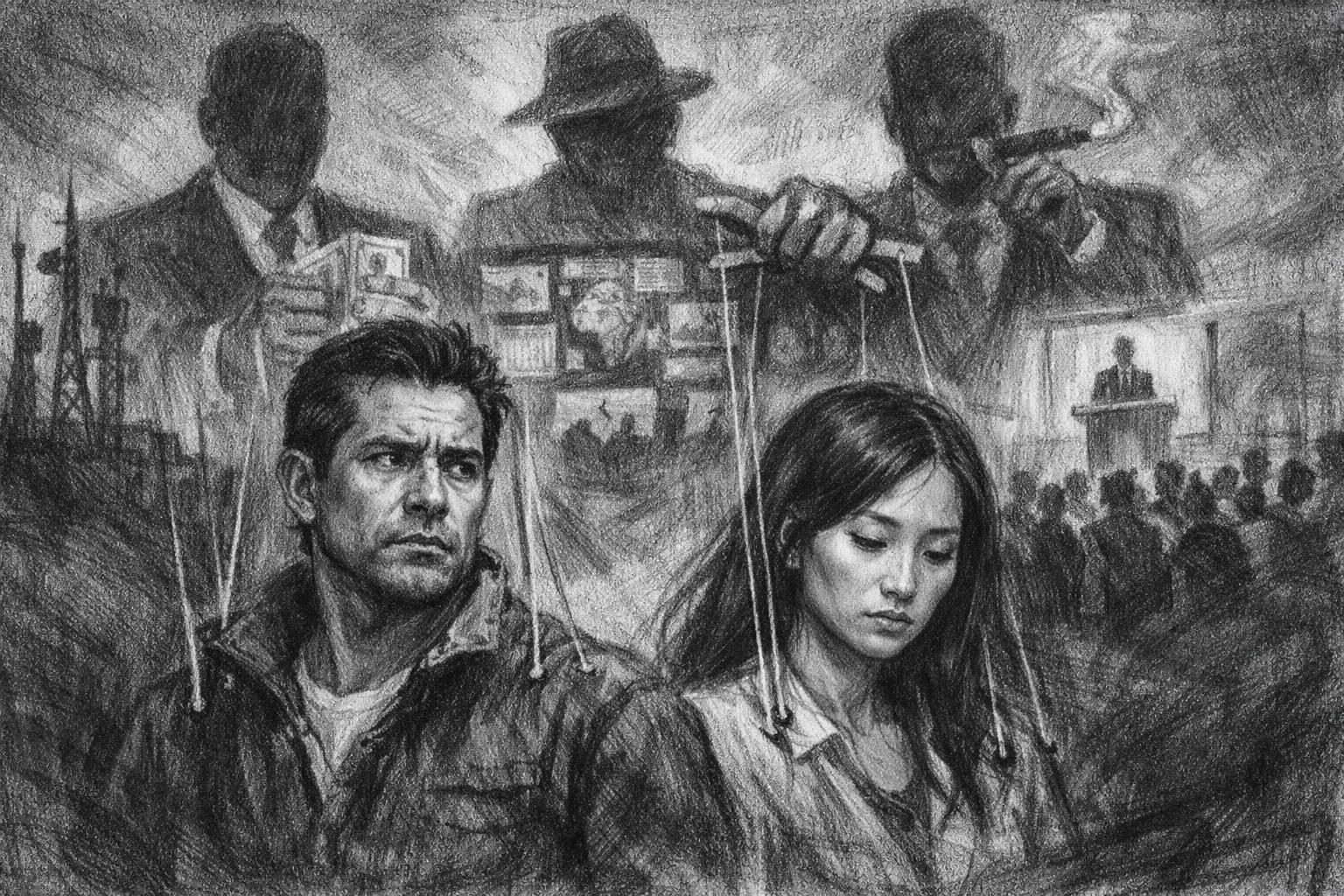
But here is the uncomfortable possibility. What if you are not choosing your beliefs as freely as you think? What if the range of “acceptable” opinions was quietly set long before you stepped into the conversation?
You are not forced into agreement. You are guided into boundaries.
And boundaries are powerful.
The real question is not whether you can think. It is whether you can see the frame around what you are allowed to think about.
Power Is More Than Politics
When we hear the word power, we usually imagine politicians signing bills or billionaires funding campaigns. That is visible power. It is loud and easy to point at.
But there is another kind of power that operates quietly. It decides which topics get airtime and which ones never make the news. It shapes what is considered normal, extreme, responsible, or reckless. It frames the options before debate even begins.
If the only solutions presented are Option A or Option B, you rarely ask where Option C went. If certain problems are never described as urgent, they fade into the background of public life. The person who controls the framing often controls the outcome.
You can win an argument before it starts if you define the question.
The Gatekeepers You Never Elected
No one votes for media executives. No one elects the engineers who design social media algorithms. No one campaigns for the role of corporate public relations strategist. Yet these individuals and institutions shape public perception every single day.
Editors decide which stories lead the broadcast. Producers determine which guests get invited to speak. Algorithms calculate what appears at the top of your feed. Public relations teams craft language that softens scandals before they ever reach your screen.
You may believe you are reacting to reality as it unfolds. In many cases, you are reacting to a curated version of reality. That curation reflects incentives, funding structures, and institutional priorities.
Filtering is not neutral. It never has been.

The Business Model Behind Your Beliefs
Media is not just information. It is an industry. And industries run on revenue.
Advertising dollars fund much of the modern information ecosystem. That means attention is currency. The longer you stay engaged, the more profitable the platform becomes.
What keeps people engaged? Emotion. Outrage. Fear. Tribal loyalty. Drama.
Complex policy discussions rarely go viral. Regulatory fine print does not trend. But a headline that sparks anger in three seconds spreads like wildfire.
This does not mean every story is fake. It means the system rewards certain types of stories. Over time, those incentives shape what gets amplified and what gets ignored.
And that shapes what feels important.
The Quiet Influence of Money
Follow the funding streams and patterns begin to appear. Politicians rely on donors. Research institutions rely on grants. Think tanks rely on sponsors. Media companies rely on advertisers.
If your funding depends on powerful industries, you may not need direct instructions to avoid criticizing them. Self-preservation does the work quietly. No conspiracy meeting required. Just a shared understanding of what keeps the lights on.
Many policy proposals originate in research institutions most voters have never heard of. Those proposals get handed to lawmakers who are juggling dozens of issues at once. The language becomes legislation. The legislation becomes law.
By the time the public debates it, the structure is already in place.
How Normal Gets Manufactured
Narrative power works best when it feels natural. If something is described often enough as common sense, it starts to feel unquestionable. If inequality is framed as the natural outcome of merit, people stop examining the system that distributes opportunity.
Language is one of the most powerful tools in this process. A corporate bailout can be described as economic stabilization. A wage increase can be described as inflationary pressure. One sounds responsible. The other sounds risky.
The framing matters as much as the facts. Words carry emotional weight. That weight nudges perception.
Over time, those nudges accumulate into shared assumptions about how the world works.

The Two-Team Illusion
Modern political debate often resembles a sports rivalry. Two sides shout across the aisle while supporters cheer from their corners. The conflict feels intense and constant.
But look closely at the range of disagreement. On some cultural and social issues, the divide is loud and sharp. On certain economic structures, defense contracts, or financial regulations, the debate narrows considerably.
It can feel like dramatic change is always around the corner. Yet many structural foundations remain stable regardless of who wins the election.
This does not mean voting is meaningless. It means systems are more durable than personalities.
Replacing a leader is not the same as redesigning the architecture.
Outrage as a Distraction Machine
Outrage is powerful because it is simple. It gives you a villain and a side. It demands an immediate emotional response. It spreads fast and feels satisfying.
Structural reform is slower. It requires patience, research, and uncomfortable conversations about incentives. That is harder to package into a viral clip.
So what dominates your timeline? The story that sparks instant anger or the story that requires sustained attention?
When outrage becomes the main currency of discourse, deeper systemic questions get crowded out. The public stays busy reacting to daily controversies while long-term structural arrangements remain mostly untouched.
It is not that outrage is always wrong. It is that outrage is often incomplete.
Education and the Framing of Reality
Schools do more than teach reading and math. They shape historical understanding and civic identity. The way history is taught influences how citizens interpret present-day power.
If economic systems are described as inevitable rather than constructed, people assume there are no alternatives. If certain events are emphasized while others are minimized, collective memory shifts.
Education can encourage critical thinking. It can also reinforce existing narratives.
The same is true for cultural institutions. Films, television shows, and music subtly signal which lifestyles are admirable and which are foolish. If success is consistently portrayed as extreme wealth and dominance, that message sinks in over time.
Culture builds emotional associations long before policy debates begin.

Wealth Concentration and Influence
When wealth concentrates at the top, influence tends to concentrate with it. Large donors can shape campaign priorities. Major shareholders can influence media ownership. Philanthropic contributions can steer research agendas.
This does not require secret handshakes in hidden rooms. It requires access and leverage. Those with greater financial resources often have greater capacity to shape conversation.
Access to decision-makers matters. So does access to communication channels.
If a small group holds significant economic power, it becomes easier for that group to shape which issues gain traction and which ones remain on the margins.
That shaping often happens quietly.
Why Changing Leaders Feels Disappointing
Every election cycle brings bold promises. Candidates speak of transformation, reform, and renewal. Supporters feel hopeful. Opponents feel anxious.
Yet after the dust settles, many core structures remain intact. Regulatory agencies operate within existing frameworks. Economic dependencies limit drastic shifts. International agreements constrain sudden change.
Leaders operate within systems they did not build. They inherit bureaucracies, financial obligations, and political alliances. Push too aggressively against entrenched interests, and resistance emerges quickly.
That resistance can come from donors, media narratives, or institutional slowdowns.
The result is often incremental change where dramatic change was promised.
The Comfort of Blaming Individuals
It is easier to blame a single corrupt politician than to examine systemic incentives. It is simpler to point at a greedy executive than to question profit structures embedded in law.
Individual accountability matters. Corruption is real. But focusing only on individuals can distract from the rules that reward certain behaviors.
If election campaigns require enormous funding, politicians will seek donors. If corporate boards are legally obligated to maximize shareholder value, executives will prioritize profit.
Swap out one person without changing the incentives, and similar behavior tends to reappear.
Systems shape outcomes more consistently than personalities do.
Manufactured Consent
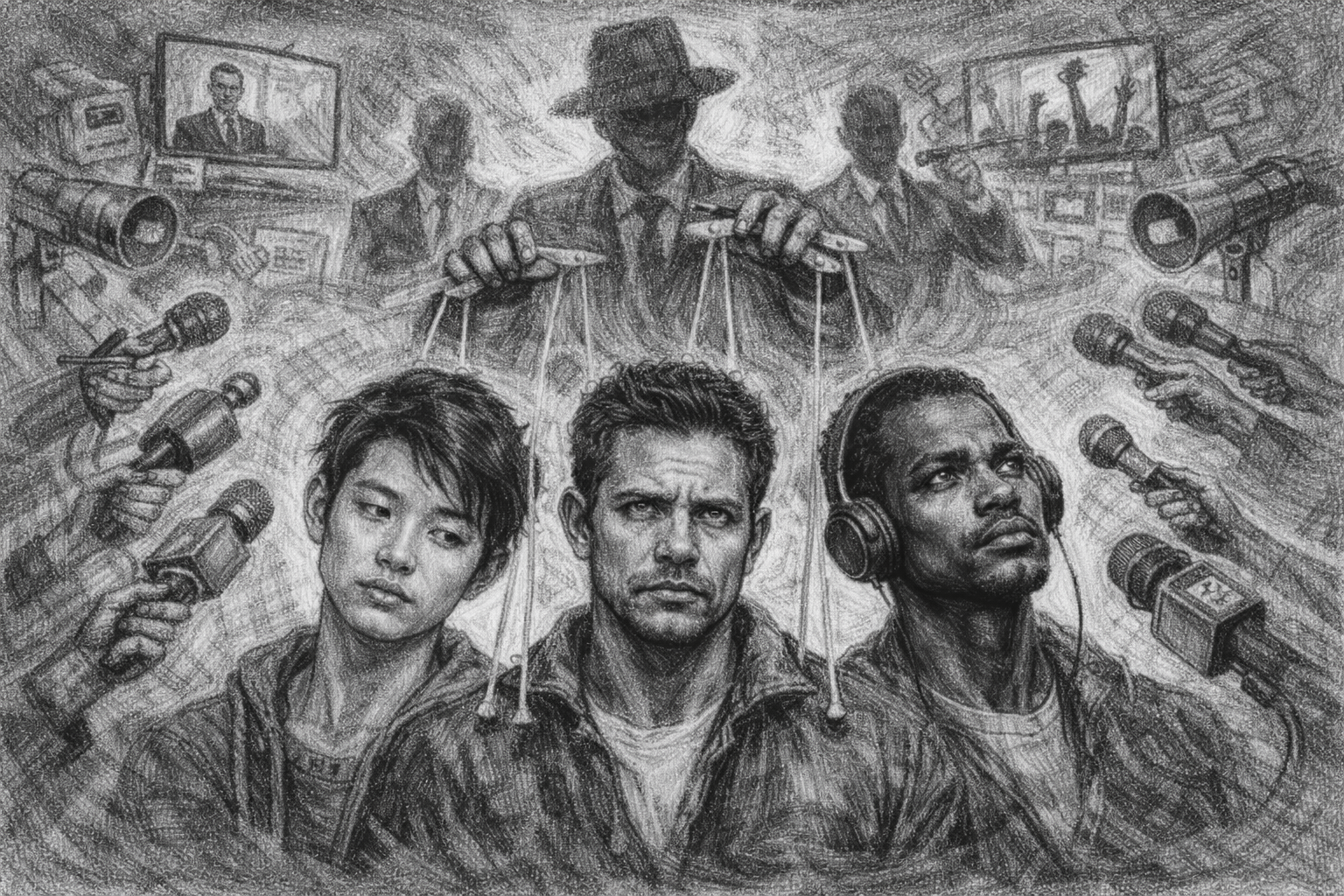
Modern control rarely depends on force. It depends on shaping perception. If people believe policies are necessary for stability, they accept them. If people believe inequality reflects personal failure rather than structural imbalance, they internalize it.
Consent can be manufactured subtly. It can grow from repetition, framing, and selective emphasis.
When enough people believe that current arrangements are simply the way things are, power becomes self-reinforcing. It no longer needs loud defense because it feels normal.
Normal is powerful.
What You Can Actually Do
This is where many discussions turn either hopeless or unrealistic. Neither helps.
First, diversify your information sources. Read outlets with different perspectives. Notice how the same event is framed in different ways. Pay attention to language choices.
Second, examine your emotional reactions. If a story instantly provokes strong anger or fear, pause and ask why. Who benefits from your attention being directed this way?
Third, learn to follow incentives. Ask who funds institutions, who profits from policies, and who drafts the proposals that become law. Understanding incentives often reveals more than surface arguments.
Finally, shift conversations toward systems rather than personalities. Instead of asking whether a leader is good or bad, ask what structures limit or enable their actions.
Awareness does not solve everything. But it changes how you engage.

Seeing the Frame
The most powerful narratives are the ones you do not realize you are inside. They shape what feels reasonable and what feels impossible. They define the boundaries of debate long before the debate begins.
You do not need to assume a grand conspiracy to recognize systemic influence. You only need to observe patterns of incentive, funding, framing, and repetition.
Power is not just about who rules. It is about who defines reality in the first place.
When you start examining the frame, you reclaim a small but meaningful piece of agency. And in a world shaped by narratives, that awareness matters more than you might think.
If this resonated, don’t stop here.
Clarity isn’t a one-time insight. It’s a practice.
Subscribe to The Canty Effect and get tools, reflections, and frameworks that help you see systems clearly, respond with agency, and stay grounded when things get complicated.
Start with our free guide, Seeing The System.
It’s a good place to sharpen your lens.
Get the guide. Stay curious. Choose not to look away.
Canty