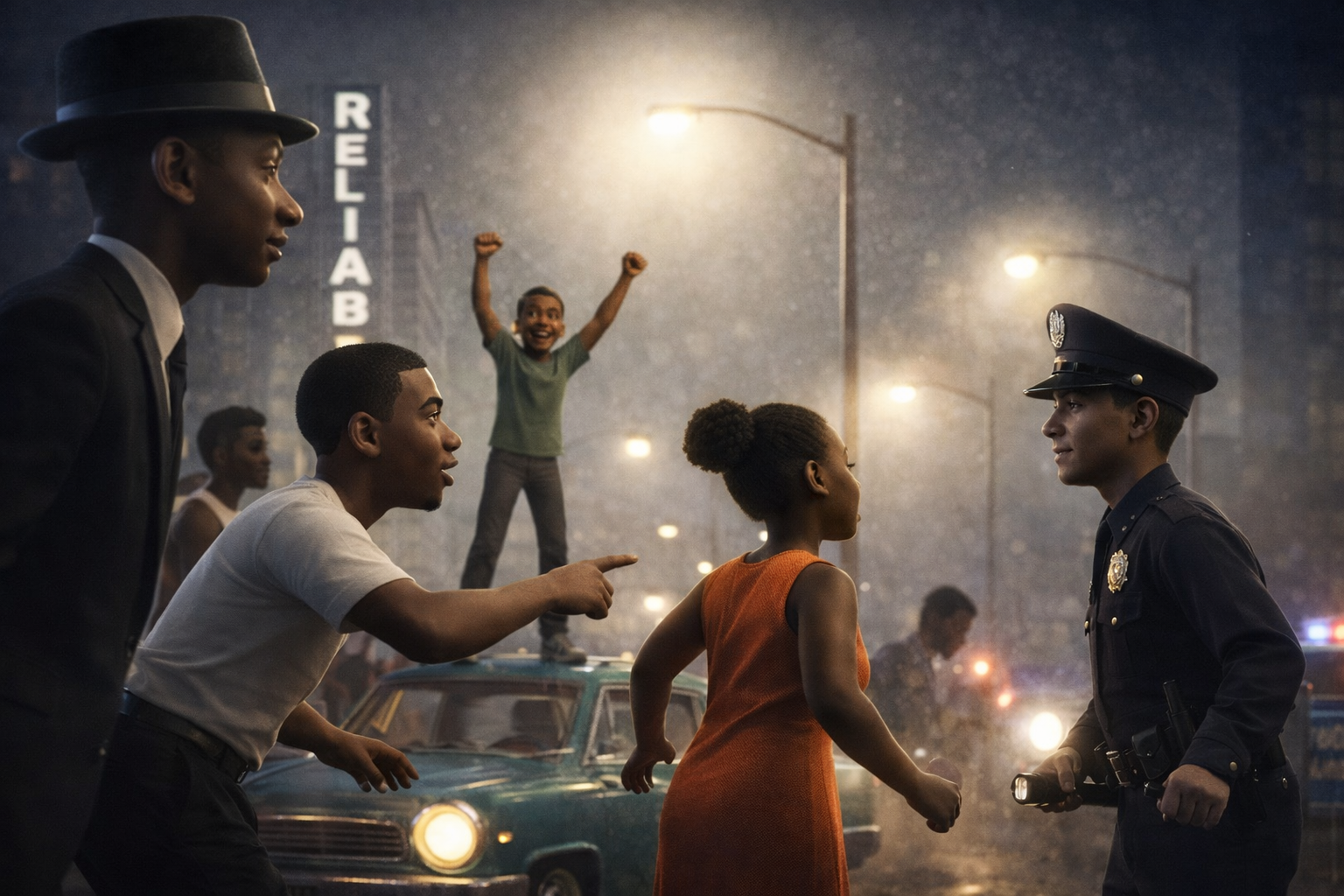
- This is perennial and surges with high-visibility incidents (police killings, protests).
- Hashtag activism like #BlackLivesMatter, #SayHerName, etc. continue to drive interest.
- Many resources and advocacy groups frame race justice as foundational to intersecting social issues.
Introduction
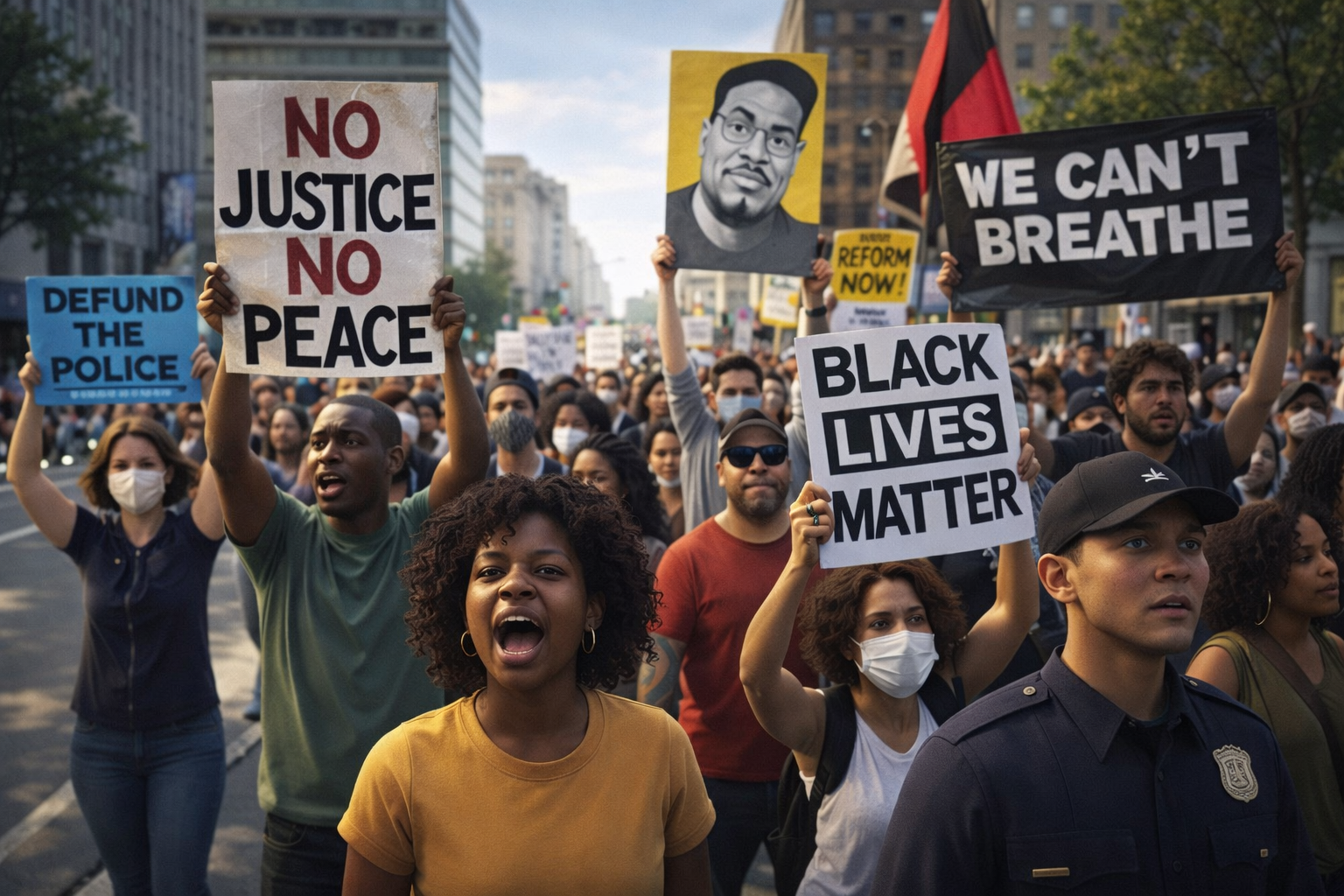
Every few years, the same story breaks into the news: a police shooting caught on camera, protests flooding city streets, and the country suddenly reminded of the old wound of racial injustice. Then, like a cruel cycle, it fades from the front page until the next tragedy. The truth is, racial justice is not a trend, not a hashtag to briefly share, but a daily fight that has shaped every corner of society. You cannot talk about housing, education, health, or wealth without running into the fingerprints of systemic racism. It is the brick foundation beneath so many cracked walls in our communities.
People have long known this. Generations before hashtags were carved in digital space, there were hand-painted protest signs, church basements full of strategy, and marches that tested bones and courage. Yet now, in a world of constant scrolling, the call for justice has found a second home online. Campaigns like #BlackLivesMatter or #SayHerName didn’t just trend; they stitched themselves into global consciousness. They reminded us that the fight is not only about statistics but about faces, families, and futures.
So this blog will not politely circle the issue. It will walk directly into it. We will trace how systemic racism is baked into laws and culture, how police reform has become both a rallying cry and a battleground, and how activism—whether on the street corner or the Twitter feed—keeps the fire burning. We will tell stories, because numbers alone do not break hearts or bend knees. By the end, you may not agree with every view, but you will feel the weight of why this issue remains at the core of social justice debates today.
Systemic Racism’s Long Shadow
Imagine walking into a house where the walls are crooked, the windows stuck, and the floorboards creak with every step. No matter how much paint you splash, the house keeps betraying the problems hidden in its bones. That house is America when it comes to race. Systemic racism is not about a single rude comment or one bad cop. It is about structures designed with bias, sometimes openly, sometimes quietly, but always with consequences. You can trace it back to redlining maps that blocked Black families from buying homes in certain neighborhoods, locking generations out of wealth. Or the school funding formulas tied to property taxes that meant children in poorer, often Black and brown, communities had less money for teachers, books, and even working heat in winter.
The weight of these systems shows up today in the racial wealth gap, in Black mothers facing higher mortality rates during childbirth, and in young people of color being disciplined more harshly in schools. A student named Jamal may get suspended for behavior that earns a warning for a student named Jacob. It is subtle, sometimes invisible to those not looking for it, but it builds into a lifelong penalty. These are not accidents. They are predictable outcomes of rules written with blind spots or deliberate discrimination.
What makes systemic racism so hard to tackle is that it feels like trying to fight smoke. There is no single villain to point to, no easy law to repeal. It requires peeling back layers of history and culture, confronting uncomfortable truths about privilege, and asking whether the very systems we rely on—schools, courts, hospitals—were built for everyone or only for some. And when you ask that question, the answer is rarely comforting.
The Flashpoint of Police Reform
If systemic racism is the smoke in the air, police violence is the fire that sets people running. When George Floyd gasped under the weight of a knee, when Breonna Taylor’s name was whispered in grief and fury, when Michael Brown’s death turned Ferguson into a national headline, these moments were not isolated. They were flashpoints exposing what many communities already lived with daily: a policing system that too often treats Black lives as disposable.
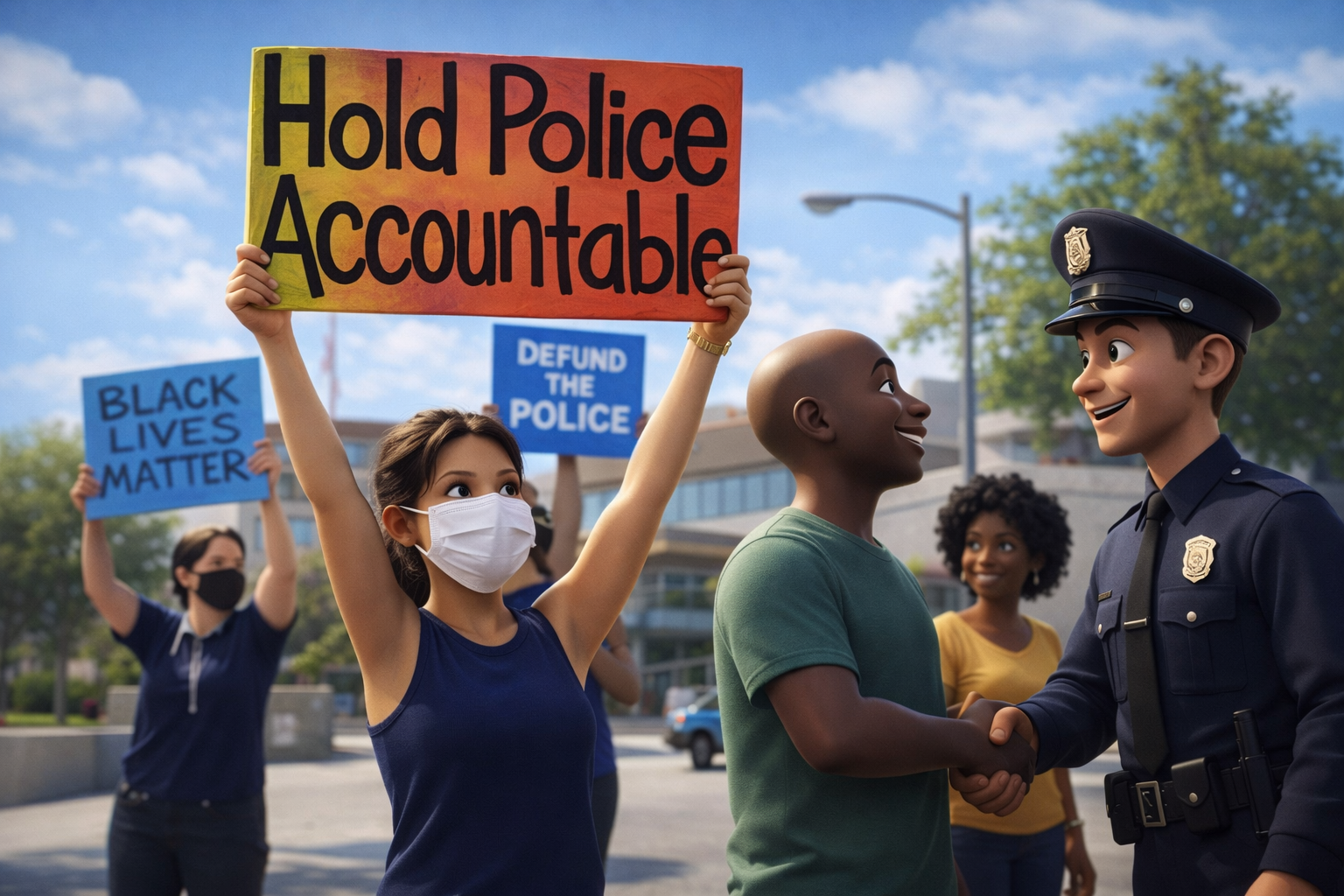
Police reform has become the battlefield where calls for justice collide with fierce resistance. Some argue reform means better training, body cameras, and community policing. Others demand a deeper rethinking, asking whether funds should shift from armed patrols to mental health services, housing support, or violence prevention programs. At the height of protests, the phrase “defund the police” scared some, inspired others, and confused many. But beneath the slogans lies a simple question: what does real safety look like?
Consider a story out of Camden, New Jersey, where the police department was dismantled and rebuilt with a focus on community engagement. Officers walked beats, knocked on doors, and introduced themselves not as enforcers but as neighbors. Violent crime fell. Trust rose. The experiment wasn’t perfect, but it showed imagination was possible. Compare that to cities where reform is resisted, where budget after budget pours money into militarized gear while schools and clinics remain starved. The contrast is sharp, the debate bitter.
Police reform is not just about officers, though. It is about a culture that has long criminalized poverty and color, turning traffic stops into funerals and neighborhoods into battlegrounds. Reform, in this light, is not optional. It is survival.
Hashtag Activism and Global Voices
If marches fill the streets, hashtags fill the digital air. Critics scoff at “slacktivism,” the idea that typing #BLM is a shallow substitute for action. But dismissing digital activism misses its power. In 2014, when Michael Brown was killed, Twitter carried voices from Ferguson to the world. Livestreams showed tear gas rolling across suburban streets. Hashtags like #HandsUpDontShoot stitched together people who had never stepped foot in Missouri. By 2020, when George Floyd’s murder sparked global outrage, protests didn’t just happen in Minneapolis or New York. They happened in London, Sydney, Lagos, and Tokyo. Hashtags acted like a match, setting solidarity alight across borders.
Stories spread faster too. The #SayHerName campaign, for example, highlighted how Black women like Sandra Bland and Rekia Boyd were often erased from conversations about police violence. Without that digital drumbeat, their names might have faded into silence. Social media gave them the memorials and the justice conversations that the news often denied.
There is also the reality that movements need funding, legal help, and votes. Hashtags have helped organizations raise millions for bail funds, legal defense, and community aid. They have pressured corporations to issue statements, sometimes empty, sometimes with real commitments. The point is not whether every tweet changes policy. The point is that digital tools have lowered the barrier to entry. A teenager with Wi-Fi and conviction can spark a wave felt in city halls and parliaments.
Is it enough? No. Clicking “share” will not end systemic racism. But it can build awareness, connect strangers, and amplify demands. Activism has always used the tools of its time—pamphlets, newspapers, radio. Today, the tool is a hashtag. It is imperfect but undeniably powerful.
Intersections and the Bigger Picture
Talking about racial justice without mentioning its intersections is like trying to describe a painting while ignoring half the colors. Race threads through economic inequality, gender justice, immigration, healthcare, and climate change. To pull one strand is to tug at the whole web. Take housing, for example. A Black family denied a loan in the 1960s did not just miss out on a house. They missed out on wealth that would have paid for their children’s college, a cushion against job loss, or a retirement nest egg. That absence ripples through generations.
Or look at healthcare. During the COVID-19 pandemic, Black and brown communities suffered higher death rates, not because the virus was racist but because the systems around it were. People of color were more likely to work frontline jobs, less likely to have quality healthcare, and more likely to live in crowded housing. When the storm hit, they were the first drenched.
Even climate change has a racial justice angle. Environmental justice groups have long pointed out that toxic waste dumps, polluting factories, and highways often cut through poor and minority neighborhoods. Children breathing asthma-inducing air are not there by chance. They are there because decisions about zoning and power plants rarely considered their lives as equally valuable.
Racial justice, then, is not a single issue. It is the bedrock under many struggles. When activists call it foundational, they mean that until race is addressed, other forms of justice will always be fragile. You cannot fix the roof while ignoring the cracked foundation.
Conclusion: Choosing Not to Look Away
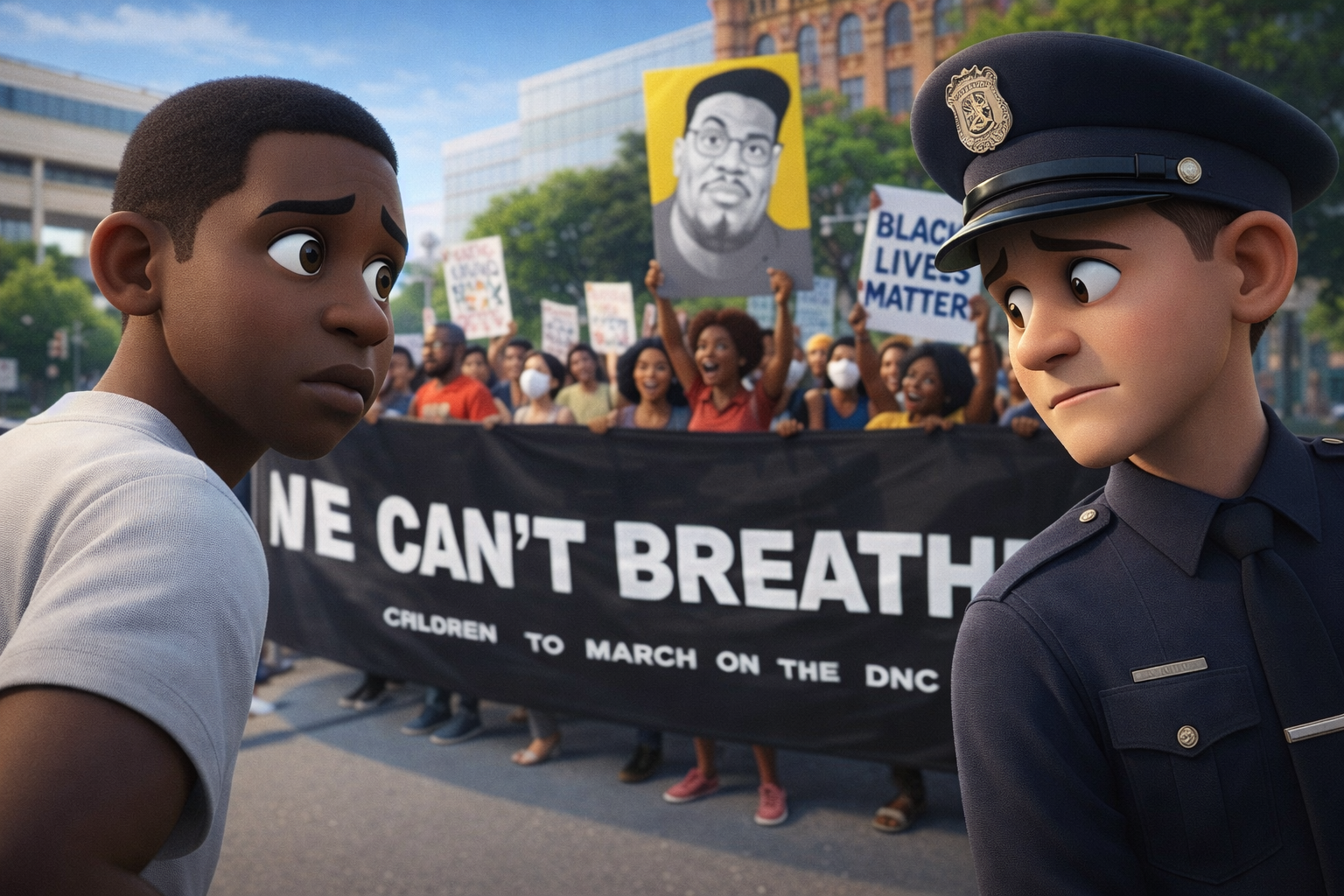
The hardest part about racial justice conversations is not the statistics. It is the choice. The choice to look directly at uncomfortable truths or to look away. For those who live the daily grind of systemic racism, there is no option to ignore it. The school suspensions, the police stops, the housing denials, the medical neglect—they are unavoidable. But for others, especially those cushioned by privilege, it is easier to treat racial justice like a passing news story. That is the danger.
Stories remind us why choice matters. Think of Darnella Frazier, the teenager who recorded George Floyd’s murder. Her decision to press record, to not look away, changed history. Or think of the communities that gathered after Breonna Taylor’s death, demanding laws change around no-knock warrants. These were not passive moments. They were choices, taken at personal risk, that forced the country to confront itself.
The road ahead is messy. Police reform will keep dividing political lines. Hashtags will keep sparking debates about whether awareness is enough. And systemic racism will not dissolve just because more people post quotes from Dr. King on social media once a year. But progress is rarely clean. It is dragged forward by those who refuse silence, who keep insisting that Black lives matter not as a slogan but as a moral truth.
So, the next time the headlines fade, the hashtags cool, and the protests are pushed to page ten, the question will remain: will we look away again, or will we keep building the long, unfinished road to justice? The answer, inconveniently, is up to us.
If something in this piece made you pause, that pause matters. It usually means you’ve noticed a system at work. Naming it is the first step toward choosing how much influence it gets.
Clarity doesn’t come from moving faster. It comes from seeing what’s shaping you.
If this resonated, don’t stop here.
Clarity isn’t a one-time insight. It’s a practice.
Subscribe to The Canty Effect Newsletter and get tools, reflections, and frameworks that help you see systems clearly, respond with agency, and stay grounded when things get complicated.
Start with our free guide, Seeing The System.
It’s a good place to sharpen your lens.
Get the guide. Stay curious. Choose not to look away.
Canty